Table of contents
“Pack light, book early, follow the highlights.” For years, that advice worked, and then overtourism, remote work, higher rail and airfare volatility, and a post-pandemic shift toward slower travel reshaped what “smart” even means. The result is a quiet gap between what many travelers still do and what actually delivers better value, fewer crowds, and richer days on the ground. If your go-to tips feel like autopilot, it may be time to unlearn a few habits, and replace them with lessons drawn from the road less taken.
“Best time to go” is now hyperlocal
The old calendar logic still circulates: Mediterranean in summer, cities in spring, “shoulder season” for bargains, and winter for museums. Yet travel conditions have become more granular than that, because weather extremes are sharper, events multiply, and demand surges can appear overnight. Spain’s tourism numbers illustrate the broader pressure: the country welcomed a record 85.1 million international tourists in 2023, according to Spain’s national statistics institute (INE), and the country entered 2024 with another strong start. When records become routine, the “best month” advice stops being universal, because the right week can matter more than the right season.
Start thinking in micro-windows: the days just after a public holiday, the week before a major festival, or the first stretch of school term. Airlines and hotels increasingly price around these spikes, and local infrastructure feels them too, from restaurant reservations to museum entry times. In practice, that means checking not only climate charts but also local event calendars, cruise schedules, and even renovation cycles that can close a landmark for weeks. A destination can be “in season” on paper, and still be a bad bet if it coincides with a mega-conference, a marathon weekend, or the reopening of a headline exhibition that pulls crowds from across the region.
Heat is the other destabilizer. Southern Europe has lived through repeated summer heatwaves, and while you do not need to be a meteorologist to plan a trip, you do need to accept that midday sightseeing is increasingly a risk-management decision, not a badge of endurance. Smart travelers now plan like locals in hot climates: early starts, long lunches, late evenings, and indoor anchors during peak heat. This is not about “avoiding summer,” it is about building days that remain enjoyable when the thermometer does not cooperate, and about choosing destinations where nature and culture are still accessible without constant friction.
Chasing “top 10” lists costs you time
Here is the uncomfortable truth: the most “efficient” itinerary is often the least satisfying. Icon chasing forces long cross-town transfers, queueing at the same time as everyone else, and constant clock-watching, and it tends to flatten a place into a checklist. The economic signal behind those lists is clear: the world’s biggest cities still pull huge volumes, with Paris, Dubai, and London ranking among the top international destinations by arrivals in recent years, according to widely cited global tourism city indexes. Popularity is not a problem in itself, but it does create a predictable pattern: the same neighborhoods saturate, the same photo spots clog, and the same restaurants become impossible without booking days ahead.
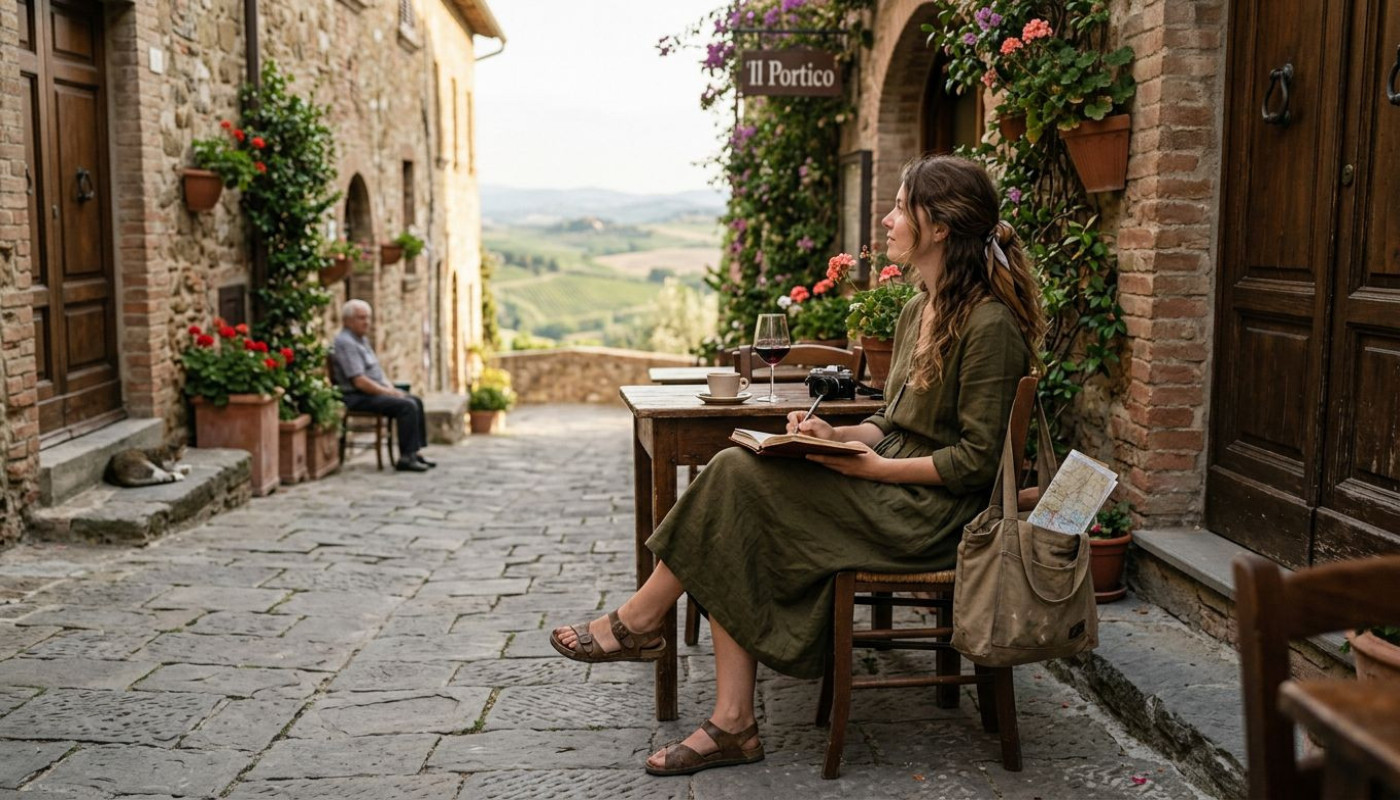
A more modern metric is “minutes of joy per hour spent.” That is not poetic, it is practical. If a landmark requires a 45-minute transit, a timed ticket, airport-style security, and a long exit corridor through retail, you have to ask what you are trading away. Often, the better day comes from choosing one headline site, then building everything else within a walkable radius: a market, a café, a park bench, a small museum, and an evening bar where you can actually hear the conversation. The reward is not just calm, it is context, because places make more sense when you move at street level rather than pinballing between “must-sees.”
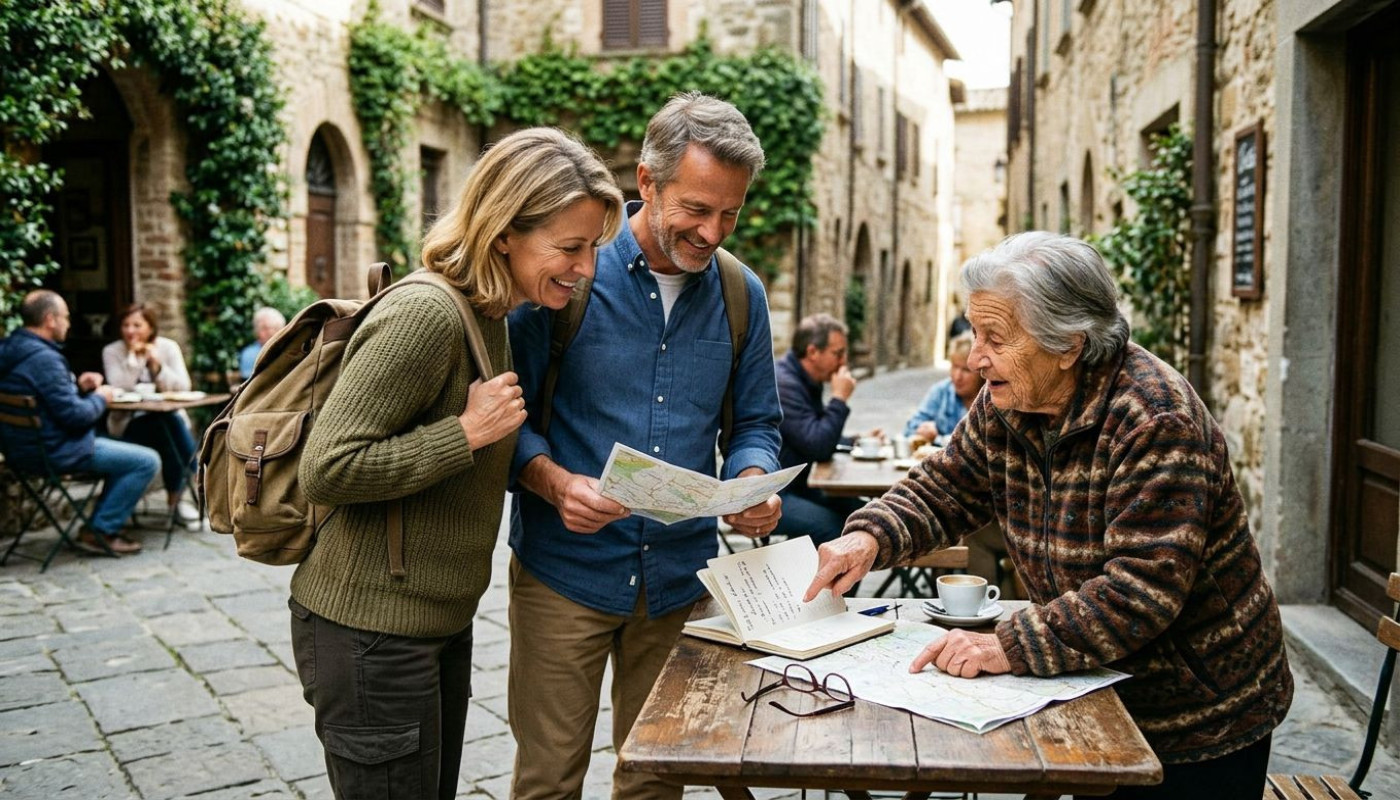
This is also where the road less taken becomes a strategy rather than a slogan. Smaller cities and regions can deliver the same architectural beauty, food culture, and layered history with fewer bottlenecks, and they often price more gently once you get beyond the global magnets. For travelers who want the texture of the Balkans without reducing it to stereotypes, one useful starting point is https://www.bosnia-spirit.com/, which frames itineraries around lived-in places and local rhythms rather than only headline stops. The key is not to “avoid tourists,” an impossible and sometimes snobbish goal, but to avoid the herd timetable, and to design days that leave room for surprise.
Budget travel isn’t just “cheap” anymore
“Travel on a budget” used to mean dorm rooms, night buses, and eating supermarket sandwiches in a park, and sometimes it still does. But inflation, dynamic pricing, and capacity constraints have changed the equation, and the real money leaks often come from decisions that feel small in the moment: landing at the wrong airport, buying a data plan twice, paying for taxis because the hotel is far from transit, or booking attractions at the gate instead of online. Even in the United States, where leisure travel demand has stayed robust, the Bureau of Labor Statistics has shown elevated price pressure on travel-related categories in recent years, and that pressure inevitably ripples outward across global tourism markets.
Modern budget strategy is therefore less about deprivation and more about avoiding friction costs. Start with transport: rail can be cheaper and more predictable door-to-door on certain corridors, but only if you book early and choose the right days. Flights can look cheap until you add baggage, seat selection, and late-night transfers. Accommodation is similar: a slightly higher nightly rate near a metro line can reduce daily spending and fatigue, and it can free you from the “just one more ride” trap that quietly drains the wallet. Travelers who work remotely should add another layer: reliable Wi‑Fi, quiet hours, and a plan B café, because a failed workday can wipe out the savings of a discounted room.
Then there is the question of what you are buying. A museum pass can be excellent value, but only if your itinerary matches it, and many travelers purchase passes out of fear of missing out rather than real math. Do the arithmetic: how many sites will you truly visit, and at what pace? The same applies to guided tours. The cheapest option is not always the best value if it leads to rushed days, expensive add-ons, or the need to “fix” the itinerary later. Increasingly, travelers pay for curation, not luxury, because good planning can be the difference between a smooth week and a week of small, costly mistakes.
Safety and culture: the real travel skills
New apps promise to “optimize” everything, yet the most useful travel skills remain stubbornly human: situational awareness, cultural sensitivity, and the ability to recover when plans break. The outdated tip is to treat safety as a binary, safe or unsafe, go or don’t go. The more realistic approach is to think in layers: neighborhood choices, arrival times, transport modes, and how visibly you move through public space. Petty theft patterns, for example, are often concentrated around transit hubs and crowded attractions, and they can be managed with habits that cost nothing: cross-body bags, minimal phone use in dense crowds, and a plan for where passports and backup cards live.
Culture is the other layer that seasoned travelers treat as logistics. Learning a few phrases, understanding local dining hours, and knowing when shops close is not about “blending in,” it is about reducing friction, and friction is what makes people feel unsafe or unwelcome. Respect is also a time-saver: it prevents awkward encounters, it opens doors, and it improves service without you needing to perform gratitude. In places with complex recent history, it matters even more. Asking curious, non-performative questions, listening more than you speak, and avoiding reductive narratives can turn a day from consumption into exchange.
Finally, build resilience into the itinerary. Outdated advice tells you to pack every day full, but tight schedules break easily when a train is late, a storm hits, or a site closes unexpectedly. Leave buffers, and decide in advance what you will drop first. Keep digital and paper copies of essentials, know how you will access money if a card fails, and store key addresses offline. These are not dramatic measures, they are the difference between “an annoying hour” and “a ruined day,” and the road less taken is often most rewarding when you have the confidence to adapt.
Plan your next trip like a pro
Book key transport early, and price-check flexible dates. Set a realistic daily radius, and anchor one highlight per day. Budget for friction: airport transfers, data, and timed tickets. Look for local guides and routes that prioritize lived experience, not just landmarks, and reserve refundable options when possible. Check eligibility for youth, student, or rail discounts before you pay.
https://www.bosnia-spirit.com/
On the same subject